


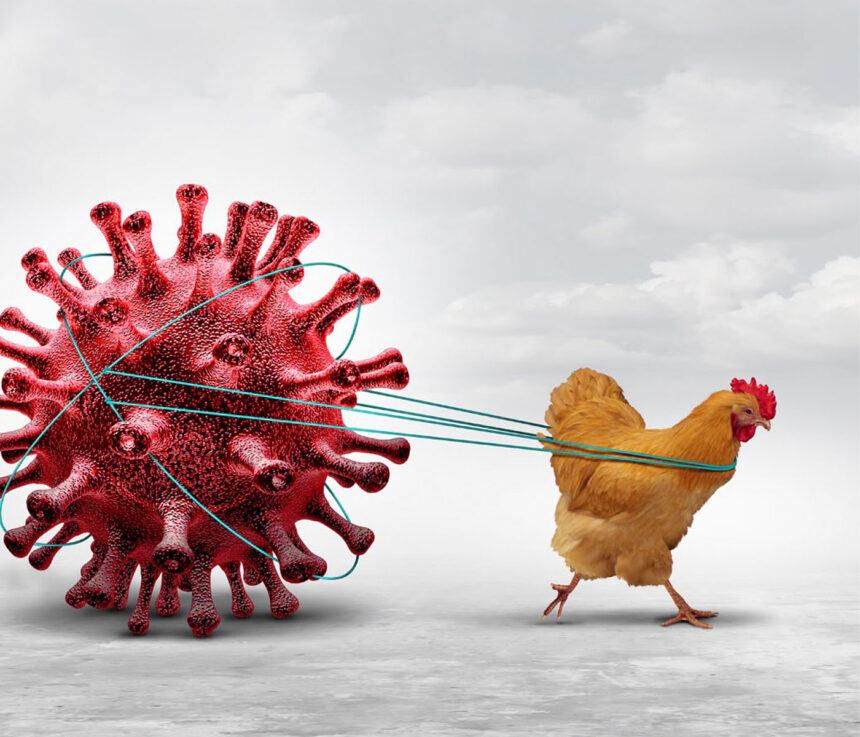
Avian influenza, widely known as bird flu, is becoming an increasing concern beyond the agricultural sector as its rapid spread in parts of the United States and Europe raises global alarm.
Health experts are now calling for stronger preventative measures, including possible poultry vaccination in South Africa, as the virus continues to evolve and expand its reach.
Bird flu is a highly contagious viral disease that occurs naturally in wild birds such as ducks and geese. While these animals often carry the virus without symptoms, it can spread quickly to domestic poultry, where it can cause severe outbreaks and high mortality rates.
The virus spreads through bodily fluids such as saliva, mucus and droppings. Human infections remain rare and are usually linked to close contact with infected animals or contaminated environments, particularly in high-risk settings like farms.
Recent developments have heightened concern. In 2024, the virus spread to dairy cattle in the United States, marking a significant shift as infections were also reported among workers who had direct contact with sick animals. Exposure to contaminated raw milk was also identified as a possible source of infection.
In humans, symptoms can range from mild to severe. Some individuals experience eye irritation, while more serious cases can lead to respiratory illness, pneumonia and, in extreme cases, organ failure.
Although human-to-human transmission is extremely rare, experts warn that the virus could mutate over time, potentially increasing its ability to spread between people.
There is currently no dedicated vaccine for bird flu in humans. However, health authorities recommend seasonal flu vaccinations, particularly for those working closely with animals, as a precautionary measure.
For the general public, the risk remains low. Experts advise simple protective steps such as properly cooking poultry products, consuming pasteurised milk, avoiding contact with sick animals and maintaining good hygiene practices.

















Facebook Comments