
Lexus brings back the LFA name without its defining sound


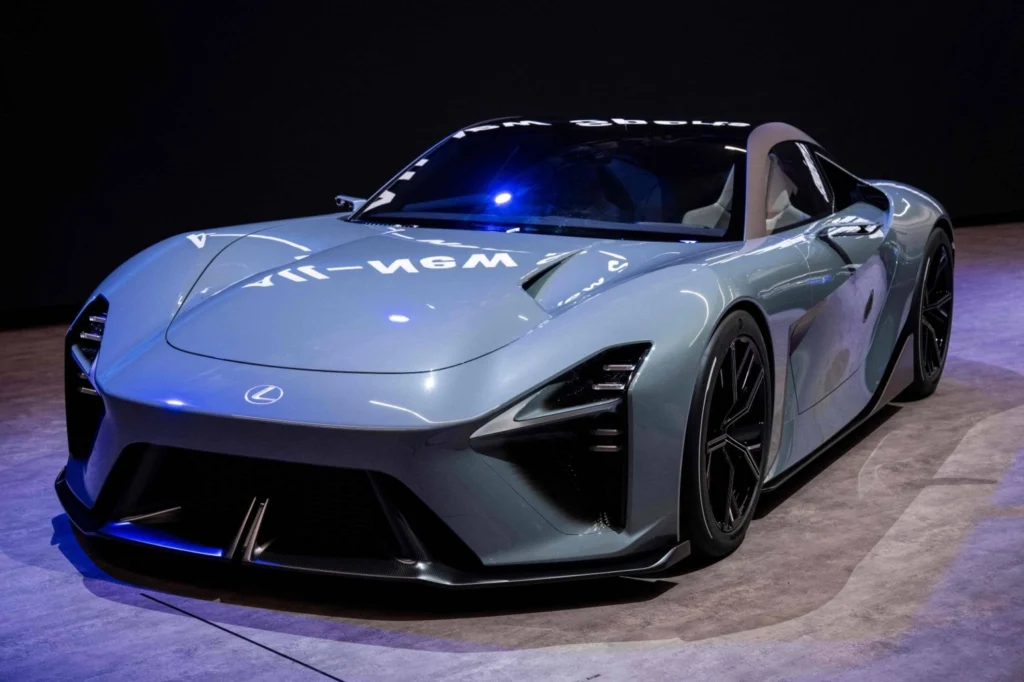
MELBOURNE — The original Lexus LFA could reach 325 km/h, but its most memorable feature made itself heard long before the speedometer got there. Its 4.8-litre V10 changed pitch as it climbed towards 9,000 rpm, letting the driver hear the next gear change coming. Lexus is bringing a battery electric LFA Concept to the Melbourne Cup Carnival for its Australian debut. For anyone who loved the original, the most interesting features are the ones Lexus is developing to put that feeling back into the driver’s hands, ears and seat.

How Lexus gave the V10 its voice
Lexus developed the naturally aspirated engine with Yamaha and treated its sound as an engineering task in its own right. A valve inside the titanium silencer changed the path of the exhaust gases as engine speed rose. From the driver’s seat, the changing note gave a sense of how hard the V10 was working. A digital needle swept around a large circular rev counter directly ahead, giving the driver a second way to judge when to pull the paddle.
Some of the LFA’s cleverest features were harder to spot. A dry sump lubrication system kept oil flowing through sustained corners and allowed the engine to sit lower in the chassis. Lexus placed the six-speed sequential gearbox between the rear wheels, helping put 52% of the car’s weight over the driven rear axle. Underneath, a flat floor and carbon fibre diffuser worked with an active rear wing to keep the car settled at speed.
Only 500 LFAs were built, and Lexus offered the Nürburgring Package on just 50. It added a fixed rear wing, lowered suspension and higher-grip tyres for circuit driving. The extra downforce also created drag, so Lexus increased engine output and cut gear changes to 0.15 seconds. The result was a car better equipped for a fast bend that still reached 100 km/h in 3.7 seconds.
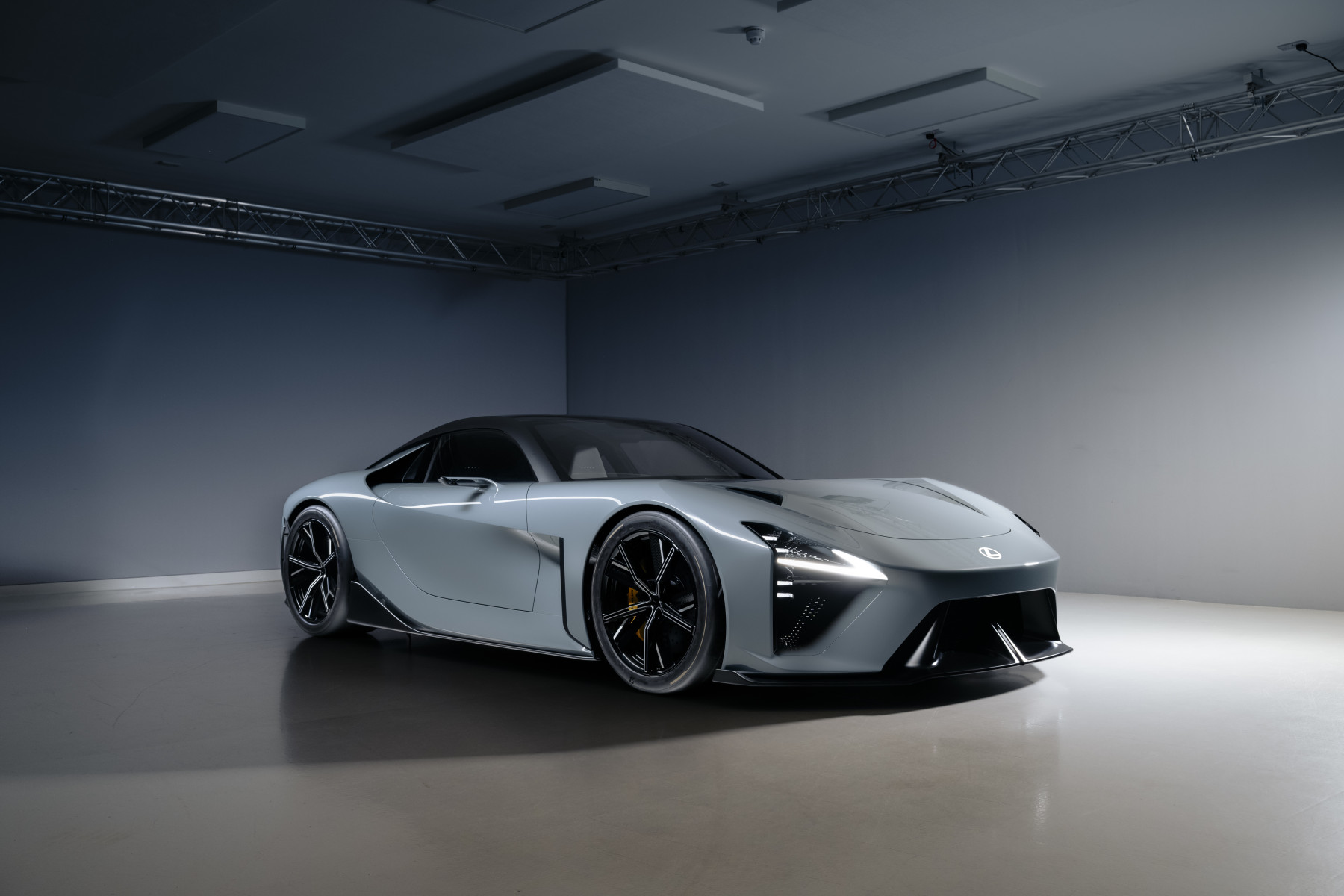
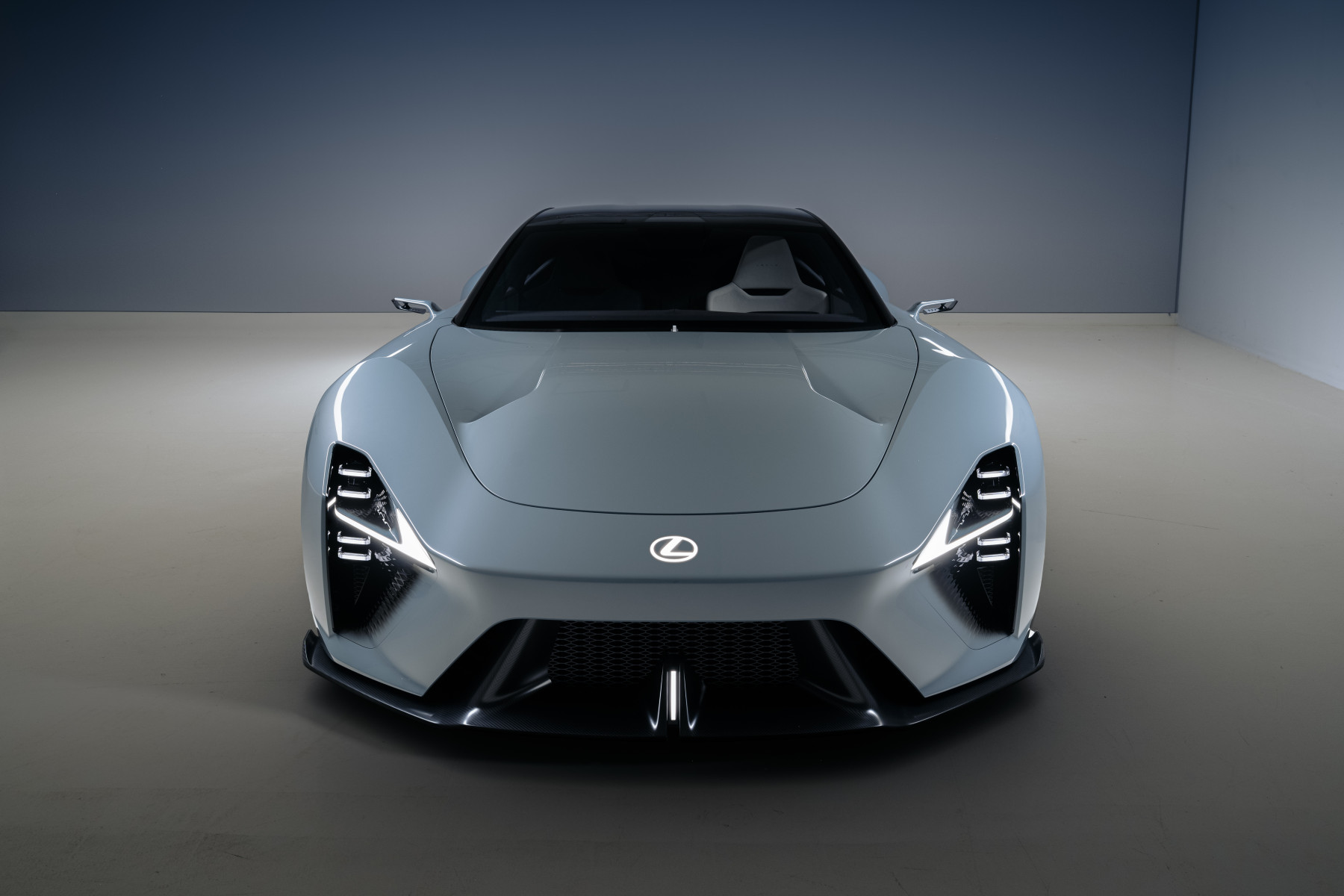
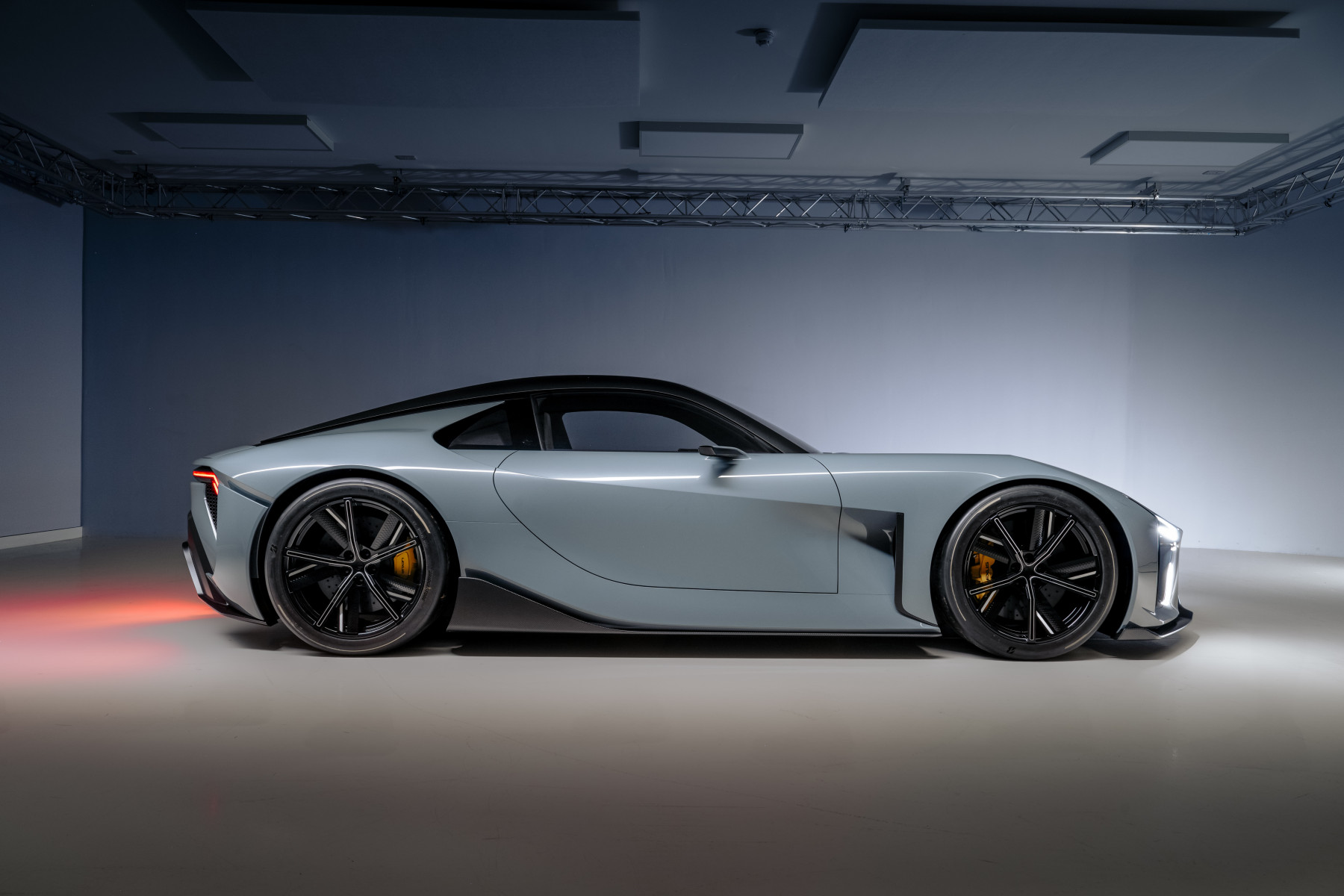
Inside the electric LFA
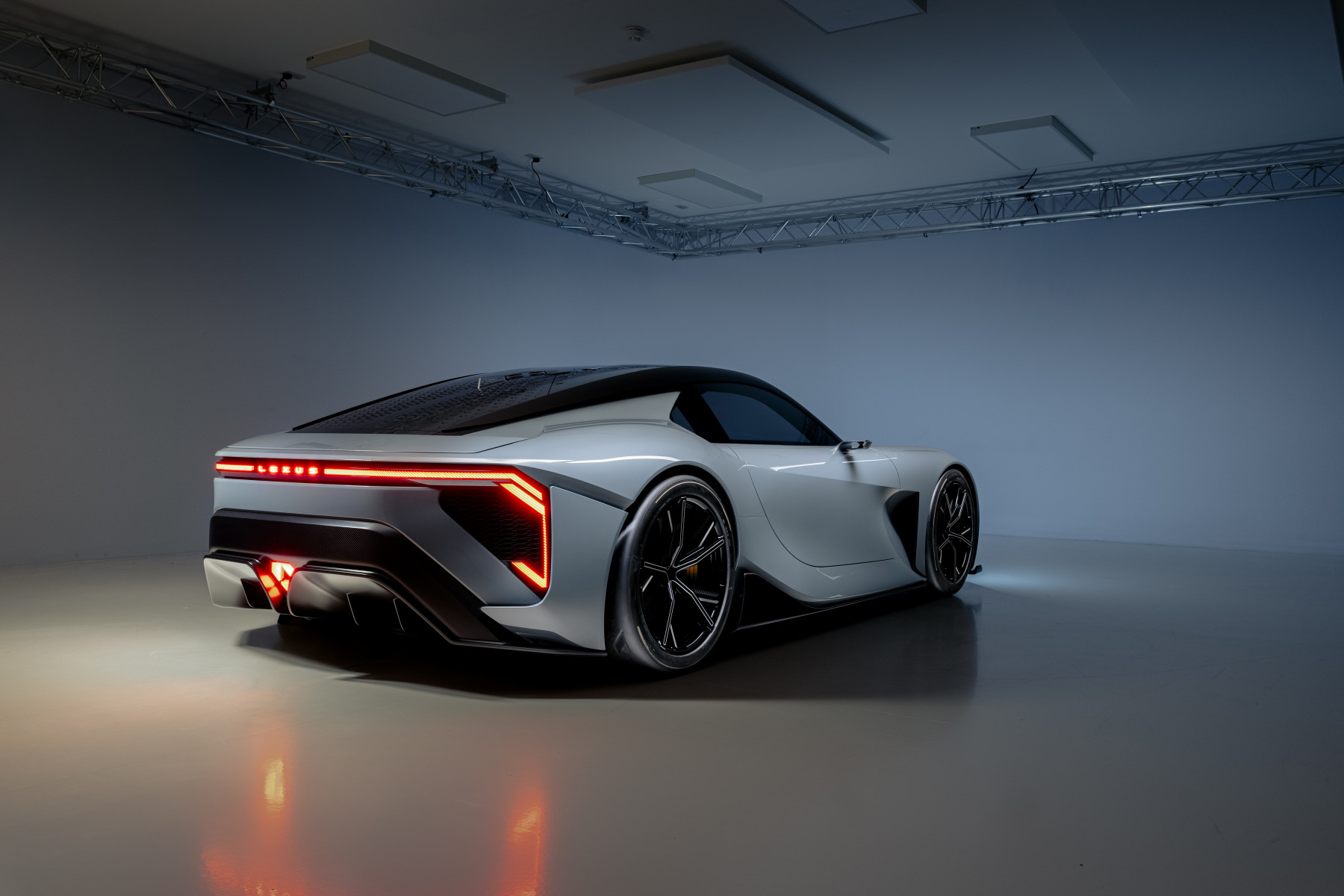
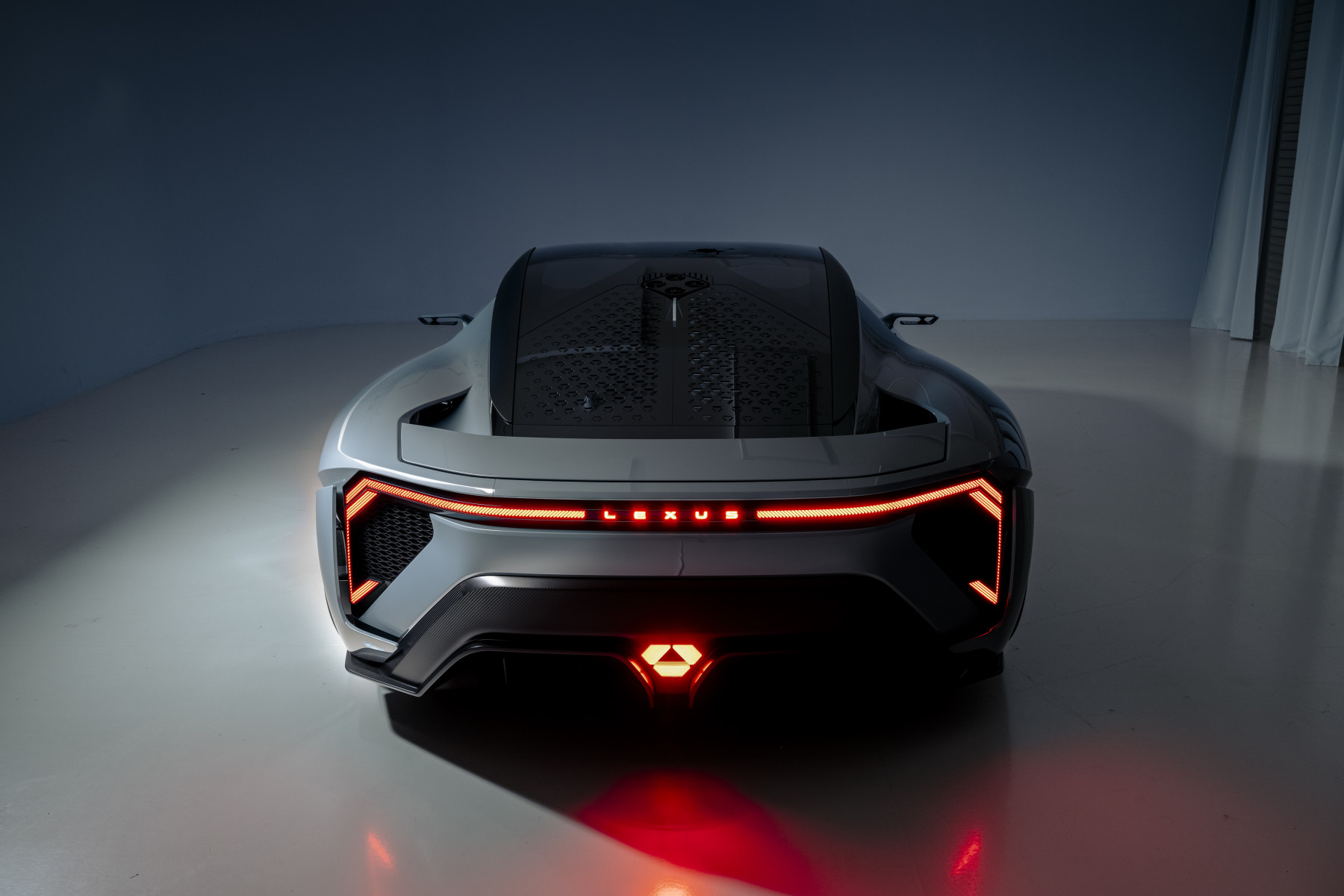
The new two-seater first appeared as the Lexus Sport Concept at Monterey Car Week in 2025 before receiving the LFA name that December. It measures 4.69 metres long and 2.04 metres wide, yet its roof stands just under 1.2 metres from the road. Beneath that low body sits an all-aluminium frame developed for Toyota Gazoo Racing’s GR GT. The LFA team worked alongside the GR GT and GR GT3 engineers on three priorities that matter in a corner: keeping weight low, making the structure stiff and managing the air flowing around the car.
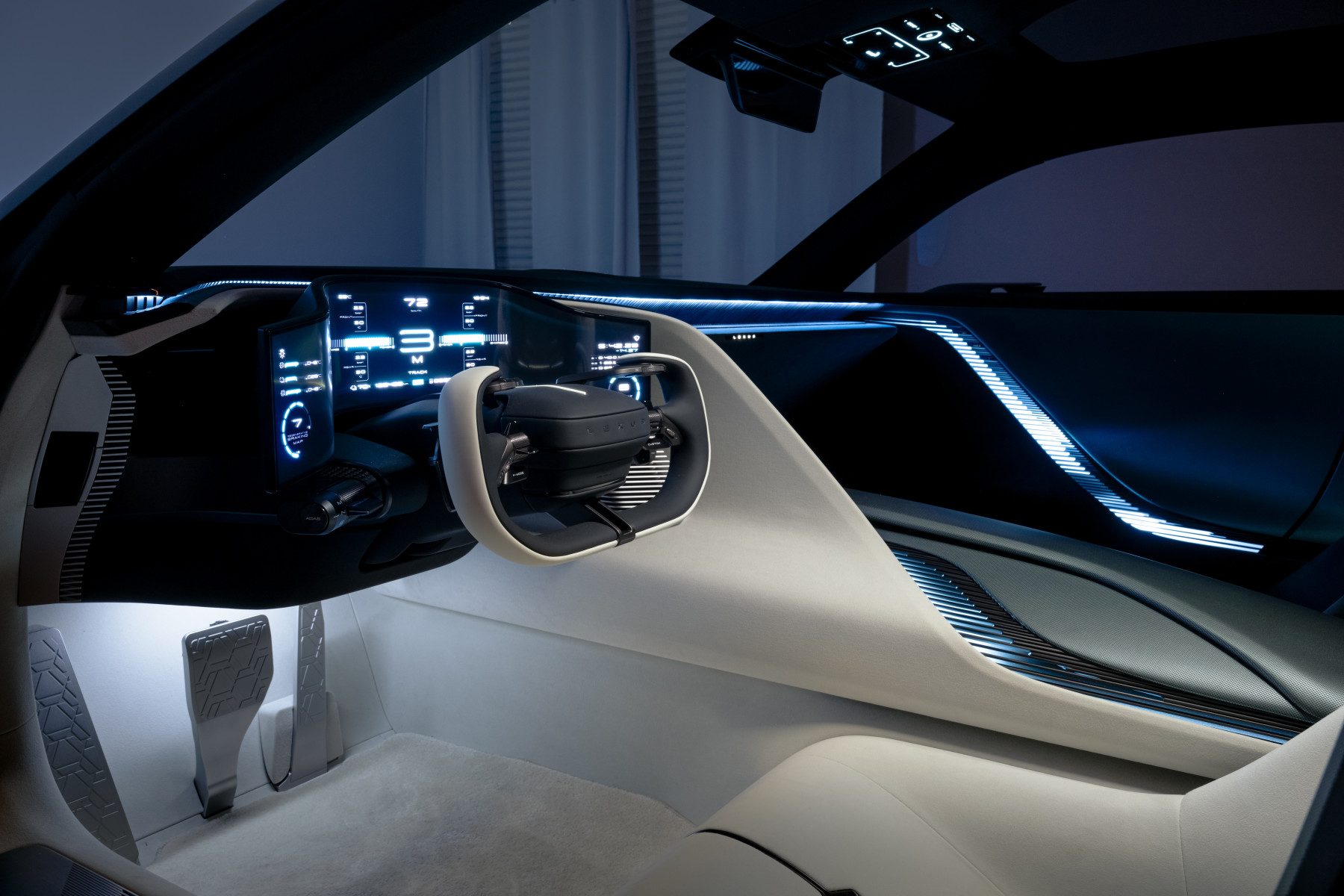
The clearest expression of that collaboration is the driving position. The concept places its driver in the same low posture developed for the two GR cars, with a digital instrument display directly ahead. Lexus shaped the steering wheel so the driver can turn through a bend without moving their hands around the rim. Switches are positioned to be found by touch. On a winding road, those details let the driver keep looking towards the exit of a corner while making an adjustment.
What speed will feel like without the V10
Lexus says it is exploring how sound and vibration can work with the movement of the electric car to communicate what it is doing. That is a more demanding brief than giving it a distinctive soundtrack. In the original, the sound changed because something mechanical was happening. For the electric LFA, the test will be whether a change in tone or a sensation through the seat tells the driver something useful about the car as it accelerates out of a bend.
For South African enthusiasts, the concept’s dimensions, frame and cockpit are the firmest details so far. Lexus South Africa has presented the car, but its announcement gives no local launch date or price. Lexus has also kept motor output, battery capacity, range and acceleration out of its published specifications. The original LFA took 3.7 seconds to reach 100 km/h. Whether its electric successor can beat that time is still open. Whether drivers will remember how those seconds felt is the more interesting contest.
Anyone with additional information can contact the press desk at press@townpress.co.za or drop a tip.