



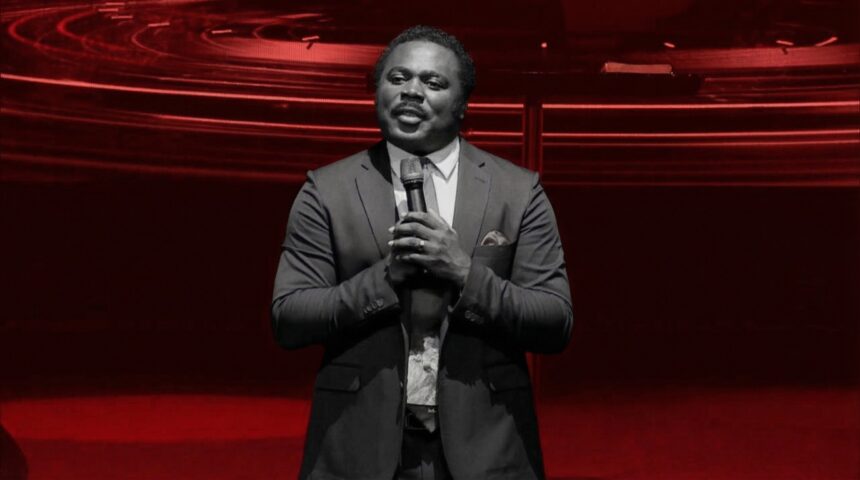
CAPE TOWN — The acquisition of Cape Town’s iconic Good Hope Centre has ignited a fierce national dispute between religious leaders, high-ranking politicians, and civil society groups following a R135 million auction bid. Pastor John Anosike, leader of Spirit Revelation Ecclesia, has moved to defend his successful bid for the property against what he describes as a coordinated campaign of political intimidation and media defamation.
The controversy began when the City of Cape Town placed 53 municipal properties on the auction block. The Good Hope Centre, a 49-year-old landmark in the Foreshore area, emerged as the most contentious lot. Despite public protests and a failed court application to halt the sale by those advocating for the site to be used for social housing, the property was sold for R135 million. While the City of Cape Town is currently conducting a post-auction audit to verify the bids, Spirit Revelation Ecclesia has already publicly celebrated the purchase as a victory for the church.
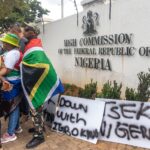
The transaction has drawn sharp criticism from the Minister of Sports, Arts and Culture, Gayton McKenzie. The Patriotic Alliance leader has publicly vowed to oppose the establishment of a church at the site, suggesting that such spaces should be reserved for arts and culture rather than being sold to foreign nationals. McKenzie’s remarks, which included advice for the pastor to invest in Nigeria instead, have been labeled by Anosike’s office as xenophobic and politically motivated.
In an official statement released on 10 March, Pastor Anosike’s office clarified the financial nature of the deal. The ministry revealed that the R135 million bid will be settled through a banking loan system rather than upfront cash reserves. The statement also addressed allegations regarding the “selling of salvation,” denying claims that congregants are charged R10,000 for spiritual access. Anosike, a lawful permanent resident who has operated in South Africa for nearly 17 years, further dismissed reports of illegal drug involvement and the ownership of multiple luxury properties in Constantia as baseless.
The dispute has highlighted broader tensions regarding the disposal of state assets in South Africa. The ANC Caucus and the GOOD party have both raised concerns over the sale of public land that could have addressed the city’s housing backlog, which currently stands at over 400,000. Critics argue that the R135 million sale price is insufficient when compared to the historical and social value of the land.
As the City of Cape Town concludes its audit of the auction process, the future of the Good Hope Centre remains in limbo. The intersection of religious expansion, political nationalism, and the urgent need for urban housing ensures that this property row will remain a focal point of South African public discourse for the foreseeable future.
Anyone with additional information relating to this story can contact us through email press@townpress.co.za.
Tags: Cape Town, Good Hope Centre, Pastor John Anosike, Spirit Revelation Ecclesia, Gayton McKenzie, Property Auction, City of Cape Town, Religious Dispute, South African Politics, Real Estate Development










Facebook Comments