


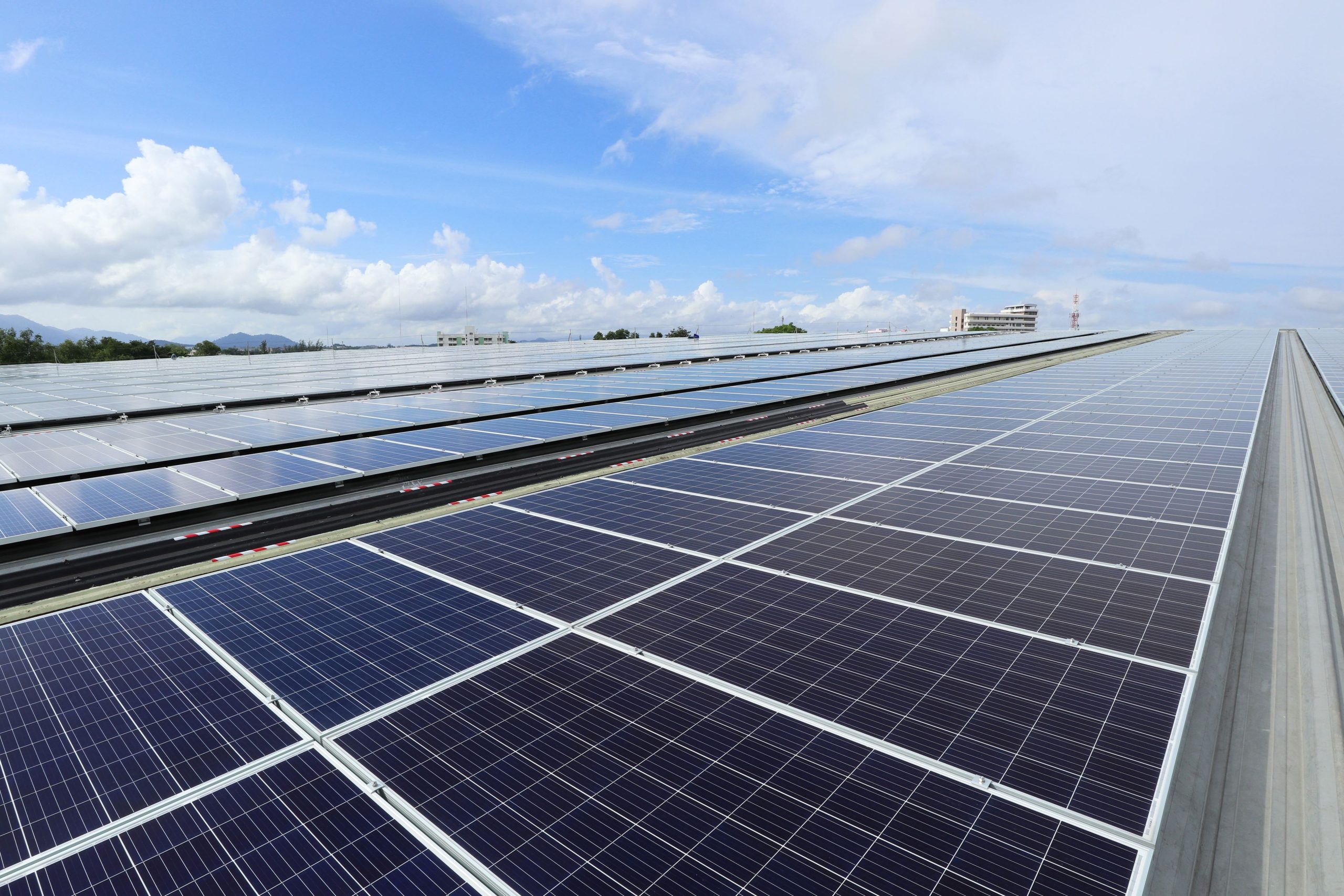
Johannesburg – A regulatory standoff is intensifying after the Organisation Undoing Tax Abuse publicly questioned whether rooftop solar users are legally required to register with Eskom, despite the power utility’s long-standing position that registration is mandatory under National Energy Regulator of South Africa regulations.
Eskom’s current campaign, which predates OUTA’s latest intervention, states clearly that all grid-connected small-scale embedded generation systems under 100kVA in Eskom-supplied areas must be registered, even if the system does not export electricity back into the grid. Only fully off-grid users, who can prove they are not connected to Eskom’s network, are exempt.
To drive compliance, Eskom has kept registration fees at zero for residential systems up to 50kVA since March 2023. The utility has also waived smart meter installation costs and connection fees, with exemptions running until 31 March 2026. A typical 16kVA household installation could save up to R9,132 under this concession.
Once registered, customers are moved to the NERSA-approved Homeflex tariff, where they may receive credits for energy exported while paying a fixed monthly charge of R368. Eskom argues that these measures are about grid safety, regulatory compliance, and protecting field workers as more solar systems connect to the national network.
However, the timing is critical. OUTA’s recent statement challenges the legal enforceability of mandatory registration for systems that do not feed power back into the grid. Energy analyst Chris Yelland has also indicated that Eskom may lack clear legal grounds to impose fines or disconnections purely for non-registration.
Eskom had previously warned of possible fines or cut-offs for non-compliance, but later Eskom Distribution senior manager Kevin Pillay clarified that unregistered systems are not currently being deemed illegal and that enforcement is focused on illegal connections.
“At this point in time, we are not deeming unregistered SSEGs as illegal,” Pillay said. “We are not intending to impose fines. All we are doing is encouraging customers to come forward to register, and more so because they get a cost benefit from the concessionary campaign.”
Energy analyst Chris Yelland of EE Business Intelligence has stated that Eskom does not have legal grounds to cut off power or impose fines purely for failure to register a solar system.
The debate now hinges on two critical questions: whether registration is legally mandatory for non-exporting systems, and whether Eskom can enforce compliance beyond voluntary incentives.

With tens of thousands of solar users watching closely and the March 2026 deadline approaching, clarity from the power utility could determine whether this remains a voluntary campaign or escalates into a legal and regulatory battle.
Anyone with additional information relating to this story can contact us through email press@townpress.co.za.














Facebook Comments