


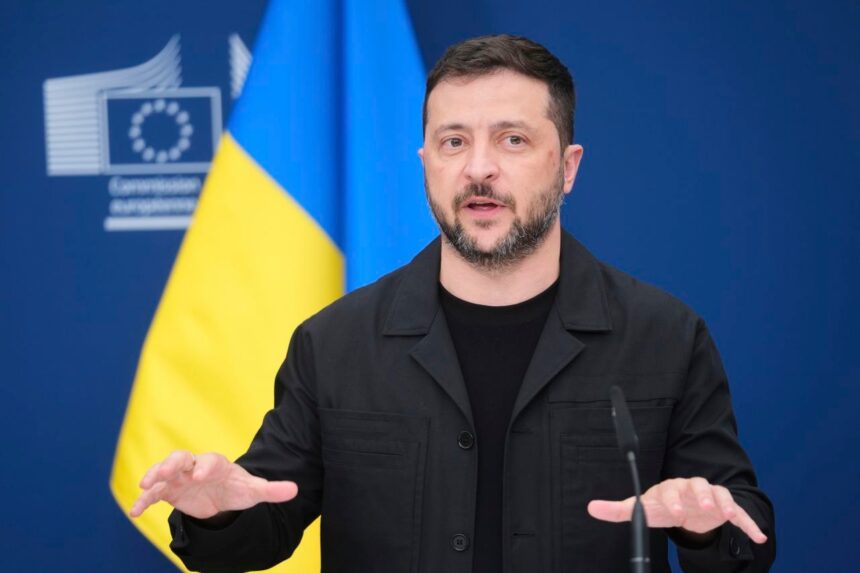
Kyiv, Ukraine — Ukraine’s government was shaken this week as two senior ministers stepped down amid an unfolding corruption scandal centred on state-owned energy contracts valued at approximately US$100 million.
According to the Specialised Anti‑Corruption Prosecutor’s Office (SAPO) and the National Anti‑Corruption Bureau of Ukraine (NABU), a kick-back scheme infiltrated the country’s nuclear energy provider Energoatom and several allied procurement firms. Contractors tallying tens of millions of dollars in contracts allegedly paid bribes of between 10 % and 15 % to secure or maintain supply deals, investigators say.
The downturn in the administration began when President Volodymyr Zelenskyy publicly declared that the ministers “could not remain in their positions… This is, among other things, a matter of trust.” On Wednesday, Justice Minister German Galushchenko and Energy Minister Svitlana Hrynchuk submitted their resignations.
Galushchenko previously served as Energy Minister and was moved to Justice in July. Investigators link him via adviser networks to the scheme, though he is not formally listed among the suspects at this stage. Hrynchuk, who succeeded Galushchenko, has denied wrongdoing and is not yet accused of personal benefit, but her departure underlines the political gravity of the case.
At the heart of the investigation stands businessman Timur Mindich, reportedly a close associate of President Zelenskyy, who is alleged to have orchestrated the kick-back network and fled Ukraine prior to raids.
The scandal arrives at a particularly vulnerable moment: Ukraine remains under heavy pressure from Russian strikes on its energy infrastructure, with disrupted supply and daily black-outs in many regions. Analysts say the revelations threaten not only domestic trust in wartime governance but also Ukraine’s credibility with international backers and its bid for greater integration with Western institutions.
In response, Zelenskyy’s administration has announced sanctions against individuals identified in the probe and has pledged a full audit of Energoatom, including resetting its supervisory board in cooperation with G7 partners.
Observers view the resignations as a necessary damage-control step, but caution that the integrity crisis runs deeper. The scandal is likely to fuel public frustration and raise broader questions about wartime procurement oversight and institutional reform.
Anyone with additional information relating to this story can contact us through email press@townpress.co.za.












Facebook Comments