


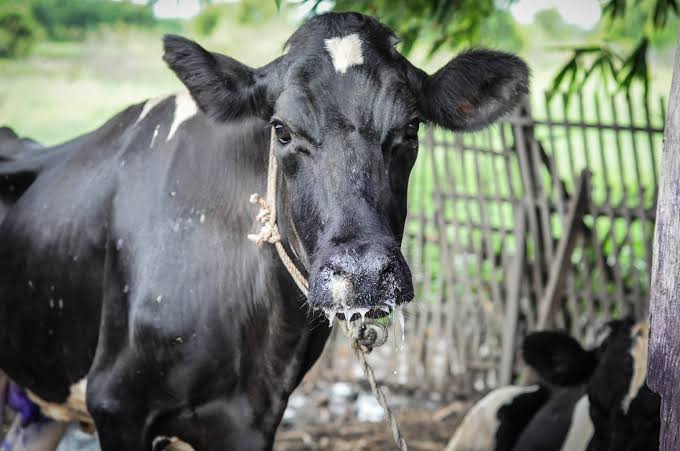
KwaZulu-Natal continues to face a serious challenge with 147 active cases of foot-and-mouth disease (FMD). Despite ongoing interventions since the initial outbreak of the SAT2 FMD strain in 2021, new infections have been detected beyond the originally declared Disease Management Areas (DMAs).
Foot-and-mouth disease is a highly contagious viral condition that affects livestock, including cattle, pigs, sheep, goats, and other cloven-hoofed animals. Its spread has significant economic implications, particularly for the agricultural sector.
During a recent oversight visit to KwaZulu-Natal, Minister of Agriculture John Steenhuisen acknowledged growing concerns from farmers and community leaders, who raised issues about the government’s handling of the situation. The minister subsequently directed the Department of Agriculture to intensify efforts to contain the disease and address gaps in response.
Among the immediate steps ordered by the minister were collaboration with law enforcement agencies such as the SAPS and the Road Traffic Management Corporation to implement animal movement control through roadblocks. In addition, the department was instructed to fast-track the procurement and rollout of vaccines, identify abattoirs within DMAs for controlled livestock processing, and explore the declaration of a state of disaster to enable swifter intervention.
The minister also called for urgent improvement in national biosecurity systems, highlighting the need for tighter surveillance, effective enforcement of disease control laws, and stronger support for farmers. Under the Animal Diseases Act (Act No. 35 of 1984), livestock owners are legally obliged to take measures that prevent both the infection of their animals and the spread of diseases from their properties.
Meanwhile, the Eastern Cape is showing signs of progress in containing its outbreaks. Since July 2024, no new clinical cases have been detected, and farms previously affected have remained disease-free since September. However, restrictions in the DMAs remain in place due to recent inconclusive test results on two properties, with one already testing negative and the other still under investigation.
Preventative biosecurity and livestock movement control measures introduced in October 2022 are still in effect nationwide. These include mandatory health declarations for animal transport and a 28-day isolation period for new livestock. Farmers are urged to remain vigilant, limit animal movements, and avoid sourcing animals from unknown origins.
Veterinary Services continue to stress the importance of early detection and control. Livestock owners must report any signs of illness—such as excessive salivation, limping, hoof lesions, or mouth blisters—to the local State Veterinarian immediately. Affected animals should not be moved under any circumstances.
Farmers are encouraged to adopt strict biosecurity protocols, including securing farm boundaries, limiting external access, avoiding direct contact between farm animals and those from outside, and introducing new animals only from verified disease-free sources.

As the situation evolves, the Department of Agriculture remains focused on halting the spread of the disease while working closely with affected provinces to safeguard the agricultural economy.
















Facebook Comments