



Inflation in South Africa has dropped to its lowest level in four years, offering some relief to consumers.
However, it’s been a challenging year for coffee, tea, and chocolate fanatics as these staples continue to see significant price hikes.
According to Statistics South Africa (Stats SA), the annual consumer price inflation rate fell to 2.8% in October 2024, the lowest since June 2020, when the rate was 2.2% during the COVID-19 pandemic.
This marks a decline from 3.8% in September, driven largely by falling fuel costs.
“Petrol and diesel prices declined by 5.3 percent between September and October,” Stats SA noted in its statement.
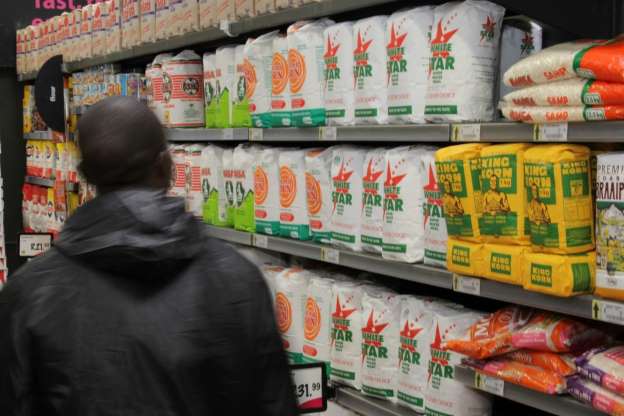
It also reported a drop in annual inflation for food and non-alcoholic beverages, which fell to 3.6% in October, the lowest since November 2019, after averaging between 4.5% and 4.7% over the past six months.
Despite the positive developments, South Africa’s economy continues to face significant challenges.
Stats SA recently reported a slight decrease in the unemployment rate to 32.1%, marking the first decline this year.
However, poverty still affects more than 60% of the population, and the country remains one of the most unequal in the world.

While overall inflation has eased, hot beverages recorded the highest inflation rate among all food and non-alcoholic beverage categories at 14.1% in October.
Although down from 17.6% in July, this remains far above the headline inflation rate, leaving coffee and tea lovers grappling with noticeable price increases.
For instant coffee drinkers, prices surged by 16.8% year-on-year, while tea prices rose by 14.4%.
Drinking chocolate products like Milo or hot chocolate saw prices climb by 14.3%, with chocolate slabs experiencing a steep 15.9% increase over the past year.
Although inflation may be cooling, South African consumers with a sweet tooth or a love for hot beverages continue to feel the pinch.













Facebook Comments