Capitec’s profit jumps to 20% and meets expectations


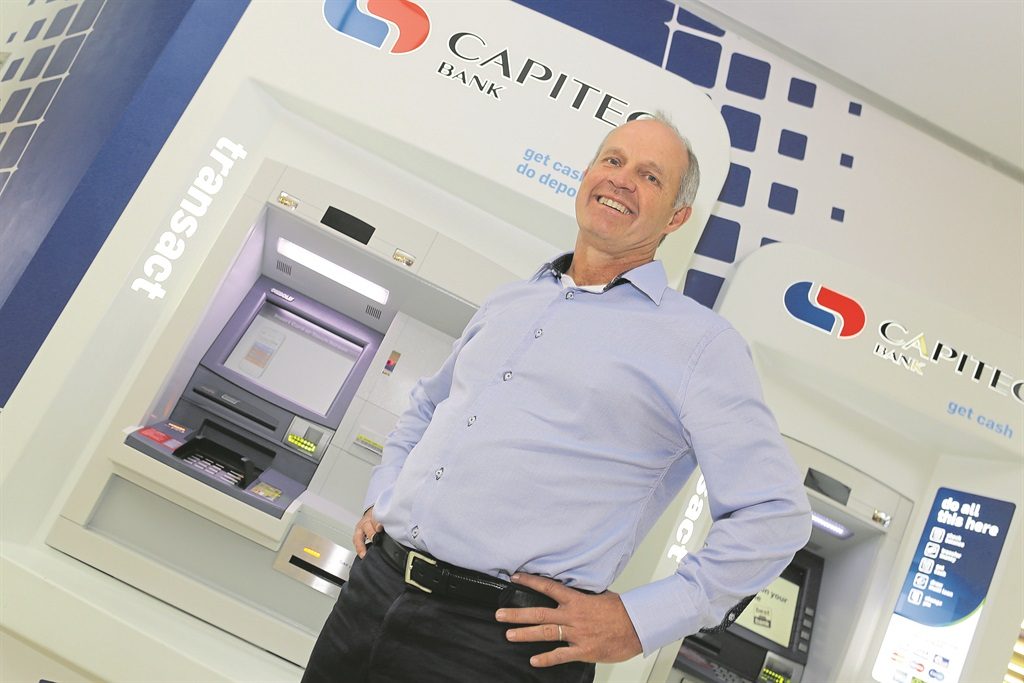
JOHANNESBURG (Reuters) – South African lender Capitec Bank on Thursday reported profit for the first half of the year grew 20%, in line with expectations, thanks to strong customer growth and a smaller impairment charge.

The performance outshone more muted growth at many rivals, who have struggled after the economy suffered its worst contraction in a decade and the unemployment rate hit an 11-year high after years of already stagnant growth.
“We’re fortunate to be growing, continuously hiring employees and not retrenching,” Capitec CEO Gerrie Fourie said in a statement.
Many South African lenders registered flat or minimal growth in their domestic retail banks, and large traditional lenders have been shuttering branches and cutting jobs in a bid to modernise their operations and bring costs down to compete with a host of new, digital-only rivals.
Its shares were up 0.49% at 0728 GMT, with the strong results largely expected by the market after the lender previously said half-year earnings could rise by up to 21%.
“The result was more or less guided for… so that wasn’t a surprise,” Harry Botha, banking analyst at Avior Capital Markets, said, adding Capitec’s growth was more muted if a 17% decline in the bank’s credit impairment charge was excluded.
In the past two years, the bank has been reducing its exposure to the lowest-income consumers and tightening its credit policies, as well as trying to diversify away from a reliance on risky unsecured lending.
But while the bank’s gross loan book grew by 17% to 60.25 billion rand ($4.02 billion), its total arrears of up to three months had decreased by 11% by the end of Aug 2019 – one of its best performances on arrears to date, Fourie said.