Nigeria sees return to strong growth under recovery plan


($1 = 304.5000 naira)

LAGOS – Nigeria expects the economy to climb out of recession and grow 2.19 percent this year, the budget ministry said on Tuesday, unveiling a reform plan that includes selling assets and hiking a luxury goods tax.
The new Economic Recovery and Growth Plan 2017-2020 says gross domestic product (GDP) is expected to grow an average of 4.62 percent a year until 2020, and hit 7 percent that year.
Africa’s biggest economy is in its first recession in a quarter of a century, brought on by low oil prices which have slashed government revenues, weakened its currency and caused inflation to rise.
The government released a much-awaited raft of measures to reform the economy and diversify it away from over-reliance on oil. International lenders including the World Bank have urged it to present such a plan before granting the country a budget support loan.
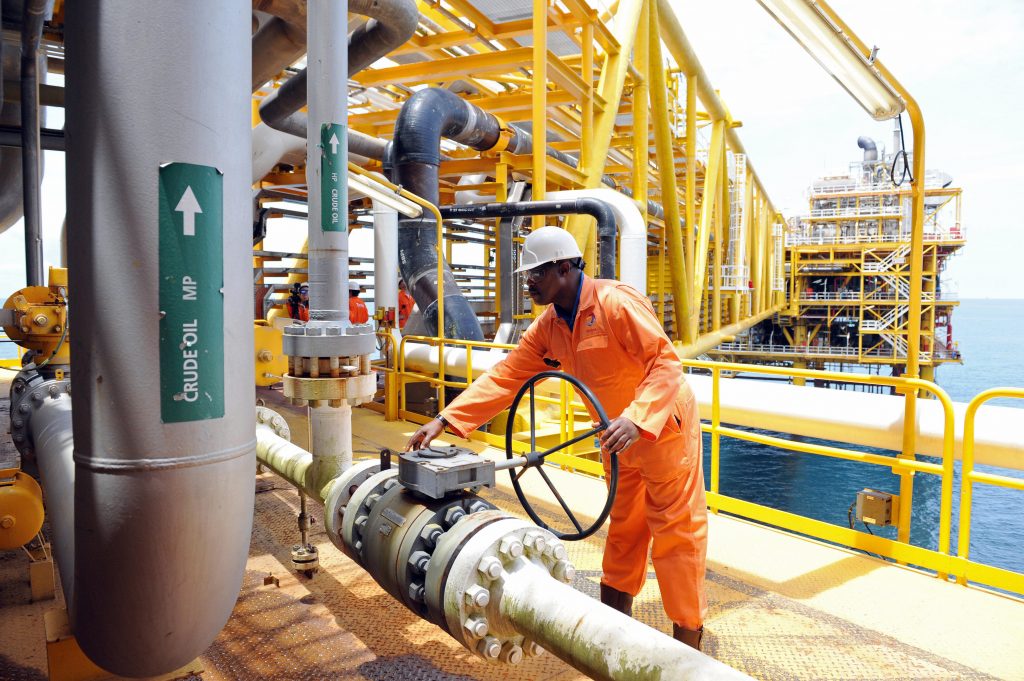
The plan aims to ramp up oil production to 2.5 million barrels per day and for Nigeria to become a net exporter of refined petroleum products by 2020.
Production in February was 1.65 million barrels per day, according to a Reuters survey of OPEC crude oil output. [OPEC/O]
The country is currently reliant on imports of fuel, with limited domestic refining.
The goal is to increase export earnings and government revenues by an additional 800 billion naira ($2.63 billion) a year.
Under the plan, the government also expects to earn 35 billion naira ($115 million) from the sale of some national assets, including oil joint ventures, and reducing stakes in other oil and non-oil assets.
The central bank will aim to achieve a market-determined exchange rate regime, the plan said, as pressure mounts to let the naira currency float freely. That has been one of the World Bank’s requirements before it will grant a loan of at least $1 billion, sources have told Reuters.
Inflation is seen at 15.74 percent in 2017 and 12.42 percent next year. In January it hit 18.7 percent, its highest level in more than 11 years.
The government said it would review and possibly remove a ban on accessing foreign exchange for 41 goods and services.
Nigeria hopes to improve tax collection to raise 350 billion naira per annum, in part by boosting a luxury goods tax to 15 percent in 2018 from its current rate of 5 percent.
The goal is to increase the overall tax to GDP ratio to 15 percent from 6 percent between 2017 and 2020.
In the agriculture sector, Nigeria wants self-sufficiency in rice by 2018 and in wheat by 2019 or 2020, and hopes to be a net exporter of rice, cashew nuts, groundnuts, cassava and vegetable oil by 2020, according to the plan.