


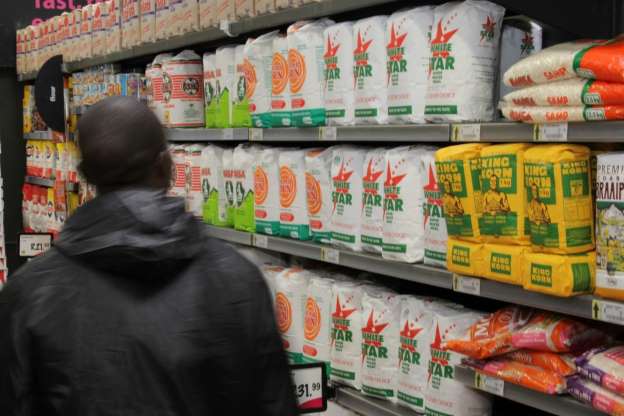
Inflation has reared its ugly head and most South Africans will not be experiencing anything close to the 6% reported by Stats SA. Despite the rand’s recovery in the second half of last year, imported inflation finally arrived (‘helped’ not only by the weaker currency in H1, but also by inflation slowly taking hold in developed economies).
Woolworths’ trading update for the 26 weeks ended December 25 2016 – aside from beating already lowered market expectations – reported “price movement” in its food business of 9.2%. That means your weekly/monthly food shop at Woolies – and let’s be honest, most readers of this site would be shopping there – is at least 9% more expensive than a year ago.
The situation is better – but not by much – at Shoprite which serves all market segments in South Africa across its three supermarket brands (Checkers, Shoprite, U-Save). After managing to keep the “internal inflation” it measures to 5% and under despite soaring food prices, the retailer reported price movement of 7.4% for the six months to December 2016.
In the first quarter of its financial year, it said internal inflation of 7.2% was “driven by both the drought’s impact on fresh produce prices and basic commodity items as well as the weaker rand pushing up the cost of imported general merchandise goods”. That the figure was even higher for the full six months means it accelerated further in the October to December timeframe.
















Facebook Comments