Saturday, 4 Apr 2026

Current affairs publication that encourages citizens’ journalism

Explore Now
Townpress Newspaper
  • News
  • Africa
  • World
  • Opinions
  • Sports
  • Lifestyle
  • People
  • Motoring
  • Podcast
My News
  • ANC
  • Cyril Ramaphosa
  • eskom
  • facebook
  • twitter
  • SAPS
  • President Cyril Ramaphosa
  • Gauteng
  • DA
  • Nigeria
Townpress NewspaperTownpress Newspaper
Font ResizerAa
  • News
  • Africa
  • World
  • Opinions
  • Sports
  • Lifestyle
  • People
  • Motoring
  • Podcast
Search
  • News
  • Africa
  • World
  • Opinions
  • Sports
  • Lifestyle
  • People
  • Motoring
  • Podcast
Have an existing account? Sign In
Follow US
© 2014 - 2026 Townpress Newspaper, South Africa - Townpress logo & associated media rights are the intellectual property of Townpress Newspaper. All Rights Reserved.
Africa

Expensive data is a new form of censorship in Zimbabwe

Town Press
Last updated: January 13, 2017 9:25 am
By
Town Press
January 13, 2017
Share
6 Min Read
SHARE

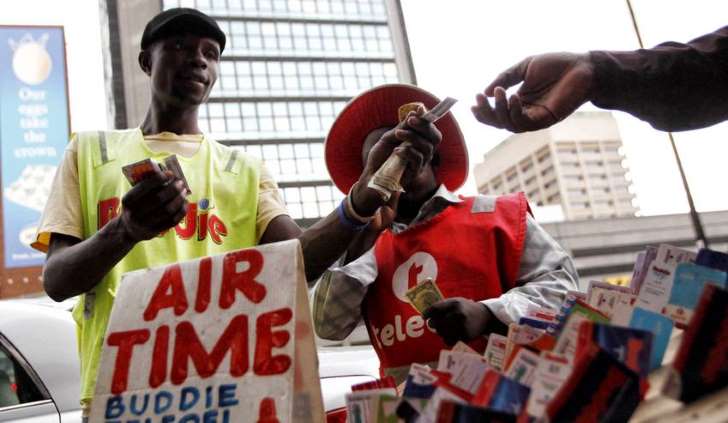
In Zimbabwe, a country that is no stranger to censorship and stringent media laws, the internet is fertile ground for critical discussion and co-ordination of citizen movements. However, the recent increase in data tariffs, a hike of over 500%, spells trouble for Zimbabwe’s digital democracy.

Data prices in Zimbabwe were already very high, the third highest mobile data prices in Africa as of September 2016. As unreasonable as these prices were, citizens still heavily relied on the internet for information and communication. More than 80% of the country’s population is connected on a mobile platform, with mobile data usage increasing by 27.4% last year.

Internet access played a big role in Zimbabwe’s turbulent 2016. The catalyst for the #ThisFlag movement was a video posted on Facebook a day after the country’s Independence Day. The video was widely viewed and shared, and created a movement that called for citizens to reclaim their country. Social media was integral to the success of this campaign. Internet users uploaded their own photos and videos. They spoke up about how tired they were of a political and economic system that had bankrupted an entire country.

Decades of such conditions had cultivated a culture of silence among citizens, but now they were speaking up. Initially derided as nothing more than bored Zimbabweans lashing out online, the online activism proved to have real-life impact with the #ZimShutDown and #Tajamuka protests in July 2016. The laws regulating the publication and sharing of information had not accounted for a medium that the government could not control, and they scrambled to keep up with what was for them a new technology. An attempt to block access to the internet on the day of the #ZimShutDown (July 6, 2016) proved futile.

The freedom and accessibility of the internet proved to be a valuable weapon for citizens. Not only was it a way to voice discontent, it enabled the estimated two million Zimbabweans living and working outside the country to play an active role in social movements in the country. People on the ground live-tweeted photos and videos of police officers using excessive force against protesters, a direct contradiction to the narrative put forward by state broadcasters. Donations for jailed protesters were raised via Twitter and Facebook. Beyond the realm of civic action, easier internet access gave rise to the production of more media. With only one television channel run and controlled by the state, getting alternative sources of locally produced entertainment was difficult, but now comedians, musicians and budding film directors could upload their content onto Youtube and Facebook to a whole new audience.

The steep hike in tariffs could abruptly stop all this progress.

Nigeria says U.S. agrees delayed $593 mln fighter plane sale
Ex Zimbabwean Vice President declared fugitive from justice
People dying of drought in Somalia as UN issues pre-famine alert
Somali minister suspended over charcoal export to Oman

On January 9, the Postal and Telecommunications Regulatory Authority of Zimbabwe set new floor pricing for voice call and data bundles, a sharp increase on already steep prices. Network service provider Econet was first to publicly announce the new prices, to the dismay and anger of its users.

At their new rates, four gigabytes of data will cost more than $100. The authority has defended the new floor pricing as a move to “maintain a delicate balance between service affordability by consumers and operator viability”, but the benefits to the move are difficult to establish, especially when providers such as Econet have pegged their tariffs five times above the authority’s floor pricing (as one Twitter user put it, the authority set the floor pricing, but they didn’t set a price ceiling). Not only will businesses and entrepreneurs suffer in an already difficult economic environment, the prices could push local residents off the internet – something that many feel is the true purpose of the increase.

The last attempt to regulate internet access in Zimbabwe failed miserably, with users switching to VPNs and apps such as TunnelBear to access social media sites. With other African countries having tried and equally failed to “ban” citizens from accessing the internet and disseminating information, authorities were clearly looking for another avenue.

- Advertisement -
Ad image

By making it so expensive to access the internet, it will become a space restricted to an elite few. With fewer people online, there’s a lower chance of further online movements or campaigns. It also constricts the flow of information to a single drection, and the ultimate goal would be limiting freedom of speech.

That’s the theory, anyway, but Zimbabweans won’t accept the new data charges without a fight. Zimbabweans always find ways to adapt and adjust: already there are ideas being shared widely on how best to make this new measure work, whether it be switching to a more affordable network provider (Econet rival NetOne has said it will maintain its old data prices), making use of wi-fi hotspots in areas such as shopping complexes and airports, or downloading communication apps that don’t require a mobile data connection.

As technology activists have been saying for decades: information wants to be free. Outraged Zimbabweans are just proving them right.


Facebook Comments

.
  • Iran Assures South Africa of Safe Passage Through Strait of Hormuz
  • One Twin Dies After Groundbreaking Separation Surgery in Limpopo
  • Jacob Zuma Slams Leak Amid Appeal Over Khampepe Recusal
  • Planned Water Outages to Affect Multiple Areas Next Week
Share This Article
Email Copy Link Print
ByTown Press
Follow:
At Town Press, we believe that everyone with a story deserves to be heard. We’re building a dynamic, citizen-led journalism platform that makes news publishing accessible to all South Africans, from rural townships to urban centers, and from first-time voices to seasoned storytellers.
Previous Article Amla steals the show in 100th Test
Next Article Hefty sentence imposed to rapists
Leave a Comment

Leave a Reply Cancel reply

You must be logged in to post a comment.

Newsletter Subscription

Subscribe to our newsletter to get our newest articles instantly!

    FacebookLike
    XFollow
    YoutubeSubscribe
    MediumFollow
    RSS FeedFollow

    Top News

    World

    Iran Assures South Africa of Safe Passage Through Strait of Hormuz

    April 3, 2026
    Health

    One Twin Dies After Groundbreaking Separation Surgery in Limpopo

    April 3, 2026
    Politics

    Jacob Zuma Slams Leak Amid Appeal Over Khampepe Recusal

    April 3, 2026
    notices

    Planned Water Outages to Affect Multiple Areas Next Week

    April 3, 2026
    Top News
    Police appeal for help to find missing couple
    Community
    Illicit Alcohol Under Scrutiny as Compliance Checks Intensify
    Community
    Henke Pistorius Breaks Silence on Son’s Character and New Venture
    Right now
    Three Bodies, One Grave: Ncumisa Selani’s Secret Murders Shocked Pretoria
    Community
    Private School Shock: King David Victory Park Closure Resurfaces in 2026
    Community
    Reality TV Star Mel Viljoen Claims She Acted Alone In US Retail Theft Case
    Trending

    You May also Like

    Africa

    Algeria detains activist Fodil Boumala in clampdown

    September 19, 2019
    Africa

    New armed group emerges as threat in Central African Republic.

    December 21, 2016
    Africa

    Nigeria puts more states on COVID-19 red alert

    July 19, 2021
    Africa

    IMF warns Tanzania of downside economic growth risks

    January 11, 2017
    Show More
    • More News:
    • ANC
    • Cyril Ramaphosa
    • eskom
    • facebook
    • twitter
    • SAPS
    • President Cyril Ramaphosa
    • Gauteng
    • DA
    • Nigeria
    • Johannesburg
    • South Africa
    • zimbabwe
    • jacob zuma
    • EFF
    • Covid-19
    • KwaZulu-Natal
    • State capture
    • cape town
    • Hawks
    Townpress Newspaper

    Indigenous Newspaper created to embolden the township ideals of sharing information and connecting people to grassroots content locally and around the world. We believe communal stories are relevant, so we created the platform to tell the stories of real south africans, people you know.

    Facebook X-twitter Linkedin Youtube Medium Rss

    About Company

    • Contact Us
    • Advertise with US
    • Privacy Policy – T&C
    • Cookie Policy
    • Comments Policy
    • Submit a Tip
    Subscribe Now for Real-time Updates on the Latest Stories!
    © 2014 - 2026 Townpress Newspaper, South Africa - Townpress logo & associated media rights are the intellectual property of Townpress Newspaper. All Rights Reserved
    Manage Cookie Consent
    To provide the best experiences, we use technologies like cookies to store and/or access device information. Consenting to these technologies will allow us to process data such as browsing behavior or unique IDs on this site. Not consenting or withdrawing consent, may adversely affect certain features and functions.
    Functional Always active
    The technical storage or access is strictly necessary for the legitimate purpose of enabling the use of a specific service explicitly requested by the subscriber or user, or for the sole purpose of carrying out the transmission of a communication over an electronic communications network.
    Preferences
    The technical storage or access is necessary for the legitimate purpose of storing preferences that are not requested by the subscriber or user.
    Statistics
    The technical storage or access that is used exclusively for statistical purposes. The technical storage or access that is used exclusively for anonymous statistical purposes. Without a subpoena, voluntary compliance on the part of your Internet Service Provider, or additional records from a third party, information stored or retrieved for this purpose alone cannot usually be used to identify you.
    Marketing
    The technical storage or access is required to create user profiles to send advertising, or to track the user on a website or across several websites for similar marketing purposes.
    • Manage options
    • Manage services
    • Manage {vendor_count} vendors
    • Read more about these purposes
    View preferences
    • {title}
    • {title}
    • {title}
    Welcome to Townpress
    Username or Email Address
    Password

    Lost your password?